//
Sterling April 2026 Release Overview
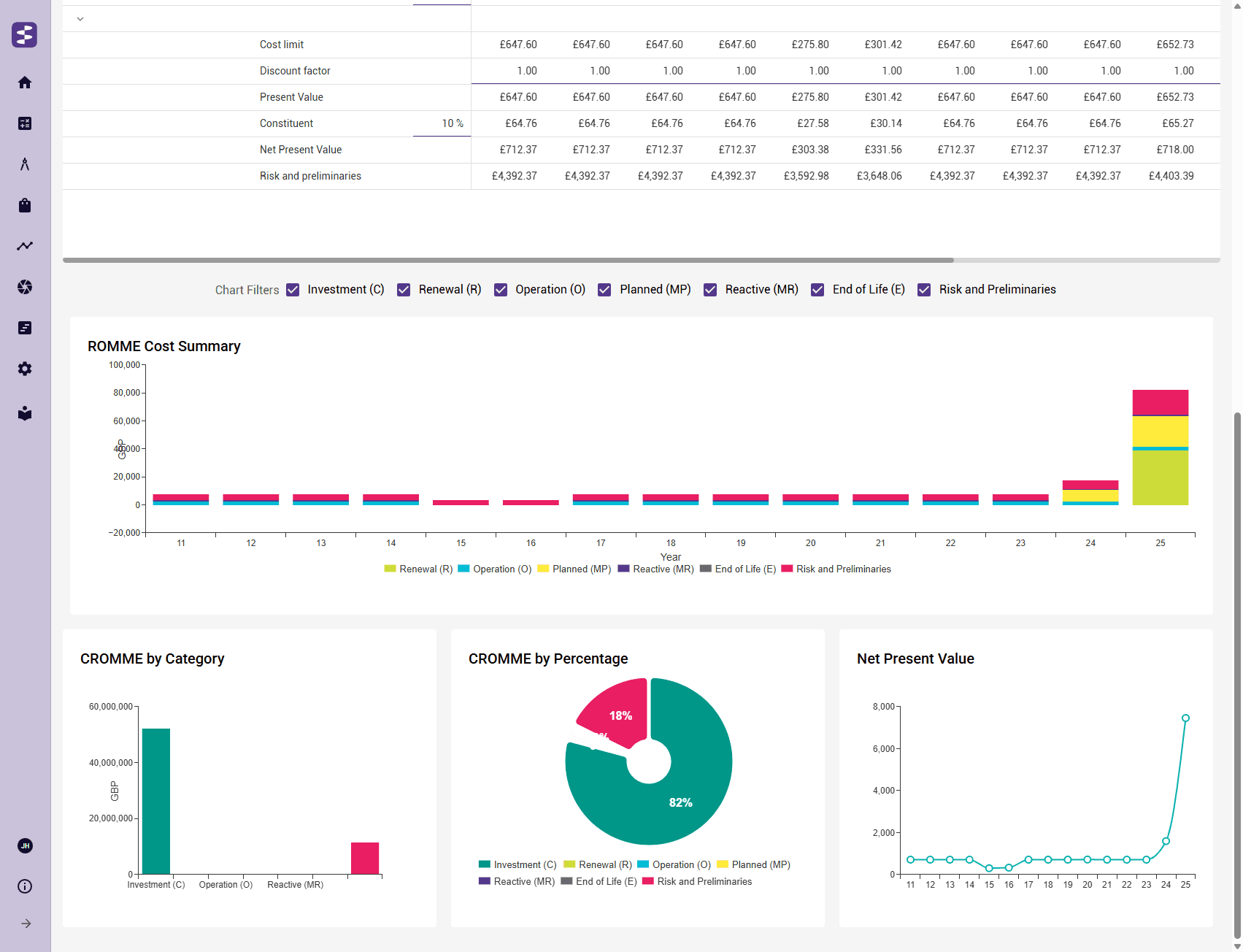
This release brings a broad set of improvements across Sterling, with a clear focus on making the platform faster, clearer, and easier to use in day-to-day estimating and delivery workflows. From takeoff and estimating through to resource management and forecasting, the updates this month are centred on reducing friction, improving performance on large and complex projects, and giving users better control over how they work. The result is a more responsive experience across the platform, with enhancements that support both efficiency and usability at scale.
Takeoff
Sterling Takeoff has been strengthened with 2D support for area and perimeter calculations from a single measurement, making quantity takeoff quicker and more consistent. Users can now manage complex drawings more effectively through custom measurement grouping, which improves visibility when working with multiple overlays.
The takeoff experience also benefits from the addition of structures, allowing takeoff items to be grouped and reused more easily, which reduces measurement overhead on repeated work. Dual-screen support between Takeoff and Cost Plan/Estimate, together with drag-and-drop of measurements directly into cost plans, helps streamline the estimating workflow.
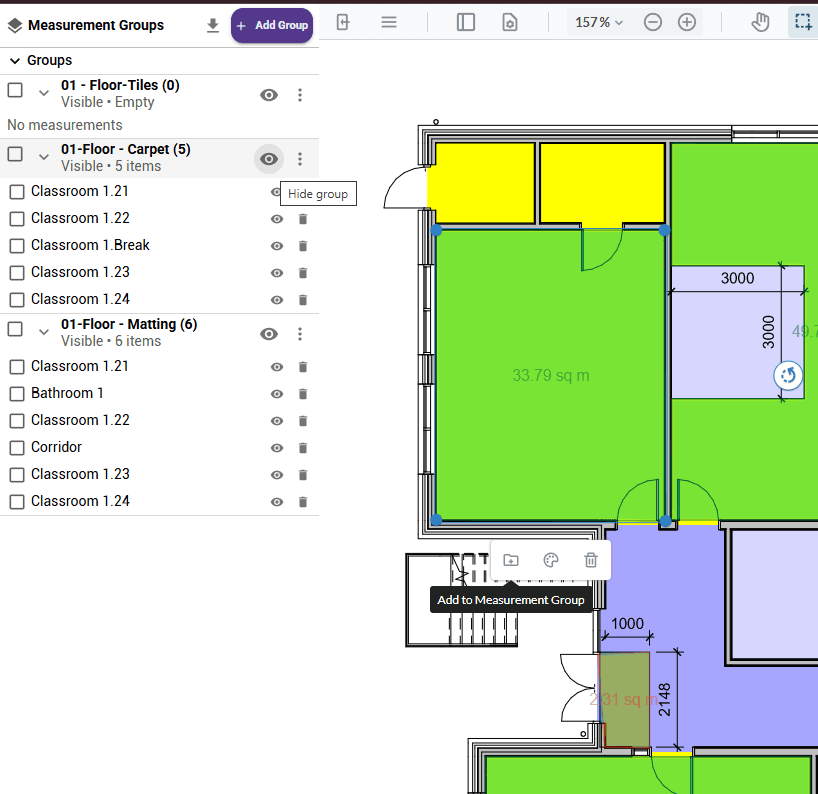
2D Takeoff now includes custom visibility grouping, enabling teams to organise measurements into logical groups and quickly show or hide them as needed. This makes it much easier to work on complex drawings with multiple overlapping measurements, for example by grouping items by system for clearer review and control.
3D Takeoff viewer improvements have also been delivered, with better performance, support for the latest file formats, and a smoother user experience. In addition, takeoff document loading and viewer updates improve day-to-day usability and responsiveness.
Security and Portfolio Access
Sterling has also introduced improvements around security and access control, giving organisations greater flexibility in how users are assigned across portfolios. This allows different users to be placed in different portfolios, helping teams manage access more accurately across groups of projects.
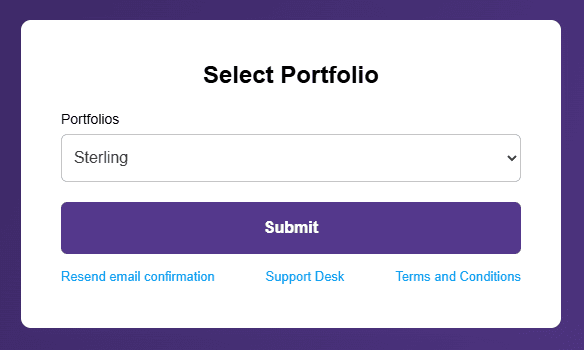
To improve the first-login experience, users can now select the portfolio they want to enter when signing in, making it easier to land directly in the right group of projects from the outset. This creates a more secure and streamlined onboarding experience, while also supporting organisations that need clearer separation between portfolios and user groups.
Resource Manager
Resource Manager V2 (RMv2) introduces a more flexible and scalable way to work with resources in Sterling, particularly on larger and more detailed estimates. The update improves how teams view, organise, and manage resources by supporting breakdown-structure-led views, stronger handling of nested resource relationships, and clearer roll-up of totals.
Users can now work with resources in a way that better reflects real project structures, including viewing resources by breakdown structure and managing more complex resource hierarchies through nesting and unnesting. This makes RMv2 better suited to detailed estimating workflows where resources need to be organised, reviewed, and maintained at different levels of the estimate.
RMv2 also includes improvements to grouping and visibility, such as grouping by family type and clearer bottom line totals, helping users interpret resource data more quickly. Alongside this, updates to editing behaviour for aggregate resources and tighter control over resource unit editing improve consistency and reduce the risk of accidental changes.
From a usability point of view, the release also includes a number of fixes and refinements that make Resource Manager feel more reliable in day-to-day use, particularly in grids, totals, and selection behaviour. Taken together, these changes mark RMv2 as a significant step forward in making resource-based estimating in Sterling easier to navigate, more transparent, and more capable of handling complex project data.
Estimating
Sterling Estimating has benefited from a number of performance improvements designed to make working with large and complex BoQs, estimates, and project models feel noticeably faster and more responsive. These updates help reduce delays when loading, navigating, and updating dense estimates, particularly where users are working with a high volume of cost items, resource data, and linked calculations. The result is a smoother experience that better supports day-to-day estimating on more demanding projects.
Smart Builder has also been improved to deliver better performance, especially when searching for cost items and resources within the library. This makes it easier for users to find what they need quickly, with less waiting and less interruption to the estimating flow. For teams working across large libraries or repeatedly building similar estimates, this improvement should make Smart Builder feel more practical and efficient in regular use.
Usability has also been improved across the estimating workflow through fixes to Cost Plan editing and more efficient handling updates. By reducing unnecessary data transfer and making edits behave more reliably, Sterling now offers a steadier and more predictable experience when users are making changes in real time. These refinements help the platform feel more responsive when multiple users are working with live project data.
Forecasting
Forecasting benefits from the wider performance work delivered across Sterling, particularly around large data sets, estimate responsiveness, and cleaner handling of calculation updates. These improvements make it easier to maintain confidence in forecast outputs as project complexity increases.
The tighter connection between takeoff, estimating, and resource data also supports more reliable forecasting workflows, especially where changes need to flow through quickly from measurement to cost impact.